
Annoying Uncle Punch Game®
Game District LLCSimulation
4.51.26K Reviews
- Version
- 0.6.9
- Installs
- 100.00M
- Age Rating
- Teen
Screenshots
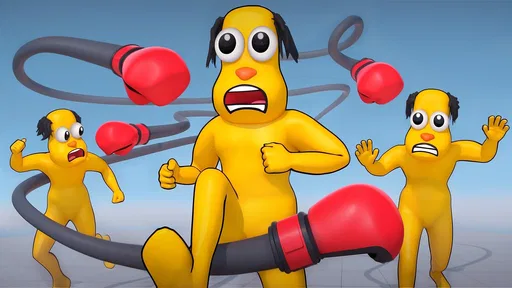
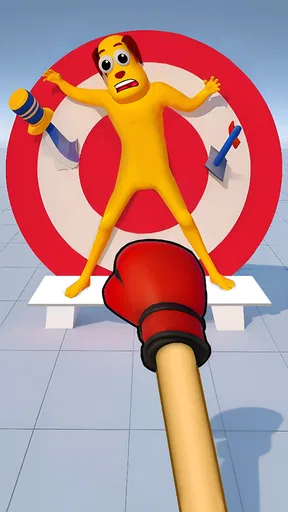
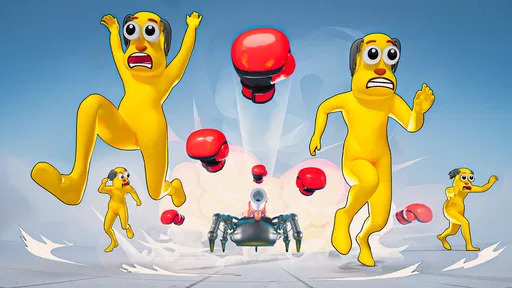
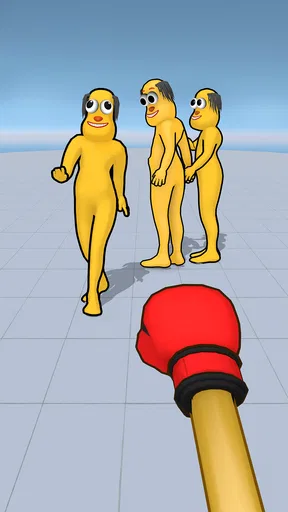
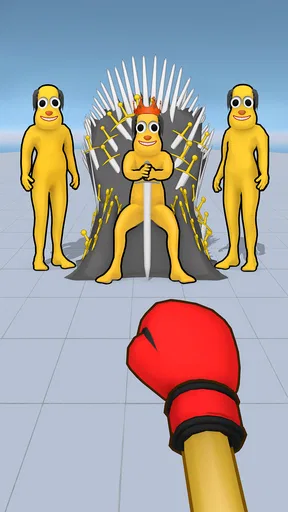
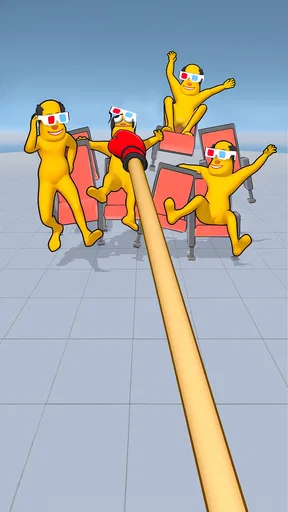
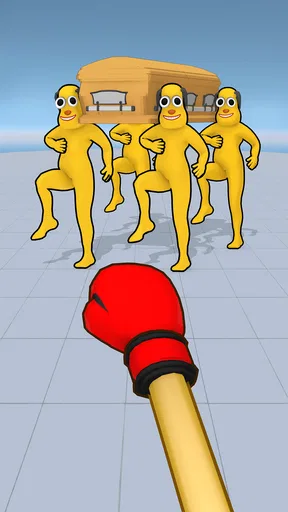
Our Review of Annoying Uncle Punch Game®
 Analysis by Appyee
If you’ve ever had that moment where you just want to vent some steam, the Annoying Uncle Punch Game might be just the app you need. This quirky game brings a dose of humor and stress relief right to your fingertips.
A quick shared-device break
I can see this game working best as a brief, casual diversion on a phone or tablet that people already share. Someone can pick it up for a few minutes, have a laugh at the deliberately silly premise, and hand it back without needing a long explanation or a serious commitment. That makes it an easier fit for a relaxed moment at home than a game that expects everyone to learn a complicated system or remember a lengthy storyline.
For example, imagine a family waiting for dinner to finish or roommates taking a short break between chores. One person can show the next what the game is about, let them try a few taps, and then move on. I would treat that as a small, optional bit of entertainment rather than the center of a group activity: the joke is simple, so it can land quickly, but not everyone will find the same cartoon aggression funny.
On a shared device, it also helps to keep the handoff uncomplicated. I’d close or pause the game before passing the phone along, and make sure the next person knows they are opening a playful punching game rather than an ordinary puzzle or simulation. That small bit of context matters more than elaborate household rules here. The game’s appeal depends on understanding the joke, and a surprised younger child or a person who dislikes slapstick may not enjoy being handed it without warning.
Gameplay Experience
The premise of the Annoying Uncle Punch Game is as straightforward as it sounds. Imagine your most exasperating uncle, now picture being able to punch him virtually without any consequences. Sounds like a dream, right? Well, this game turns that dream into a reality.
What a short session feels like
The controls are simple and intuitive, making it easy for anyone to jump in and start swinging. You’ll find yourself tapping, swiping, and occasionally shaking your device to land those satisfying virtual punches. Each successful hit is met with a comedic sound effect, adding to the lighthearted vibe of the game.
That low barrier to entry is a practical strength when you only want a quick diversion. You do not have to approach it like a long simulation where careful planning or a run of uninterrupted play is the point. I’d use it in a short, low-stakes window—during a quiet break, while waiting for someone, or when I want something more active than scrolling but less demanding than a complex game. The trade-off is that simplicity can also make the central interaction feel repetitive once the novelty of the joke wears off.
The physical gestures are worth keeping in mind when choosing where to play. Tapping is naturally easy to do discreetly, while swiping or shaking a phone can be awkward if you are squeezed into a crowded space or holding something else. I would start with small, controlled movements rather than waving the device around. That is a useful habit for comfort and for avoiding accidental bumps when the phone is being used near another person.
Because the humor is built around hitting a character, I would not assume the game is a good fit for every mood just because the presentation is cartoonish. If I want to calm down after a genuinely tense argument, a gentle puzzle, music, or a walk may be a better choice than acting out an angry impulse, even virtually. For me, this is most suitable when I already understand that I’m choosing a silly gag, not when I’m looking for meaningful help with stress or conflict.
Graphics and Sound
Visually, the game sports colorful and cartoonish graphics that fit perfectly with its humorous tone. The exaggerated expressions of the uncle character are sure to elicit a chuckle or two. While the graphics are not groundbreaking, they are charming and serve the game’s purpose well.
The sound effects and background music are playful and engaging. The uncle’s over-the-top reactions to getting punched add an extra layer of fun. It’s a game that doesn’t take itself too seriously, and neither should you!
Sound is part of the punchline, but it is also the detail most likely to affect other people nearby. If I were playing on a bus, in a waiting room, or beside someone working, I would lower the volume or keep the phone muted rather than let the comic reactions become everyone else’s soundtrack. In a living room, the audio may help make the joke legible to someone watching over your shoulder. That difference makes the setting matter: the same sound can make a shared laugh at home and an irritating interruption in a quiet place.
For shared use, I would also avoid treating the character’s reactions as a contest in how loudly or forcefully someone can play. The point is the exaggerated cartoon response, not physical impact on the device. A relaxed grip and modest gestures make the experience easier to pass around and reduce the chance that a fun moment turns into a dropped-phone moment.
Taking turns without turning it into a contest
The game’s simple premise makes it easy to explain to another person, but I would set expectations before passing over a shared phone. Tell them it is a comic punching game, show the basic interaction, and let them decide whether they want a turn. That works better than assuming every relative or housemate will enjoy the same kind of humor. In a mixed-age household, an adult can first decide whether the joke is suitable for the people who might use the device.
I would also keep the account and device boundary clear. A shared phone may hold someone else’s messages, photos, or apps, so opening a game does not mean handing over the whole device without thought. If another person is going to play, stay nearby or pass the phone only when you are comfortable with them using it. The practical point is not that the game provides household controls; it is that normal shared-device care still applies.
When more than one person wants to try it, a simple turn-taking rule is enough: let each person have a brief go, then pass the phone along. The casual nature of the game makes that more natural than building a detailed scorekeeping routine around it. If one person wants a sustained competitive session and another just wants a quick laugh, those are different expectations; a dedicated multiplayer game would be a clearer choice for a group that wants structured competition.
Age, humor, and trust
This is a teen-rated game, so I would not treat it as an automatic choice for young children just because its characters are cartoonish. The central joke involves punching, and adults should consider whether that tone suits the child and the household. A teenager who enjoys exaggerated slapstick may find it harmless fun, while someone who dislikes violent comedy may prefer a different kind of casual game.
For parents or guardians, the useful question is less “Can a child operate it?” and more “Is this the kind of joke I’m comfortable with them copying or sharing?” A simple conversation can distinguish fictional slapstick from acceptable behavior toward real people. I would not present the game as a way to resolve anger or as a lesson about handling annoying relatives; it is a cartoon gag, and keeping that boundary clear makes the humor easier to understand.
On a household device, it is also sensible to consider who might see the screen or hear the sound. If a younger sibling is nearby, an adult can choose whether to play later, explain the joke, or pick a gentler alternative. That is a straightforward way to respect different ages and tastes without pretending that every family has the same rules.
Replayability
One of the things I love about this game is its replayability. You can keep coming back to it whenever you need a quick laugh or some stress relief. The game includes various levels and challenges that keep it from getting stale. As you progress, you unlock new, more hilarious ways to annoy your virtual uncle.
There’s also a leaderboard feature where you can see how you stack up against other players. This adds a competitive edge, encouraging you to improve your skills and climb the ranks.
Those progression and leaderboard elements give returning players a reason to revisit the game, but I would keep expectations in proportion. They add goals around the same comic premise rather than turning it into a deep management simulation. If you enjoy repeating a familiar action while working toward another challenge, that can be enough to make short sessions feel purposeful. If you need major changes in mechanics, a long narrative, or a wide range of strategic choices, a larger simulation or action game is likely to hold your attention longer.
The leaderboard can be a personal nudge to improve, but it may also shift the tone from casual comedy toward score chasing. I would use it only if comparing progress makes the game more fun for me; there is little value in treating a light mobile diversion as a serious ranking commitment. In a household, the feature is easiest to enjoy when each player understands whether they are simply taking a turn or trying to beat someone else’s result.
Where it fits among casual games
Among mobile games, this sits closer to a quick slapstick toy than to the usual building, life-management, or resource-planning simulations. The category label may lead some players to expect a world they can develop over time, but the appeal here is the immediate comic interaction and the small goals described in play. That contrast is useful to know before downloading: it is not the game I would choose when I want to design a town, manage a character’s daily routine, or make long-term decisions.
Compared with a standard puzzle game, it asks for less patience and offers a more physical-feeling interaction through taps, swipes, and device movement. Compared with a conventional fighting game, the premise is lighter and more deliberately silly, rather than a promise of a balanced combat system or serious competition. And compared with passive videos, it gives the player something to do, although that activity can become familiar quickly. The best alternative depends on what you want: choose a puzzle for quiet focus, a deeper simulation for sustained progression, or a multiplayer title when playing together is the main event.
That makes the game especially suitable for someone who wants a quick laugh and understands the joke, or a casual player who enjoys straightforward interactions and simple goals. I would skip it if slapstick violence is unappealing, if I wanted a calm decompression tool, or if I expected a rich simulation with elaborate systems. It is also not my first pick for a group that needs cooperative objectives: taking turns and comparing results is different from working together toward a shared goal.
Practical expectations before installing
The game is free, which makes trying it less of a commitment, though I would still approach it as a specific kind of entertainment rather than assume that free means frictionless or suited to everyone. It comes from GOOD TO SEE YOU, and its current version is 0.4.3. It was released on Aug 14, 2024, and it requires Android 6.0 or later. Those details are useful if you are checking whether an older Android device can run it or deciding whether a family member’s phone is a sensible place to try it.
Its audience is substantial: the game has passed 50 million installs and holds a 4.5 average from around 77 thousand ratings, alongside 857 written reviews. I see that as evidence that the simple gag has reached a broad group of players, not a guarantee that it will suit every household or stay entertaining for every person. The volume of ratings can help a new player feel less uncertain about giving it a try, while the personal decision still comes down to comfort with its humor and the desire for a very direct kind of play.
A practical first session can answer the questions a description cannot settle for you: does the joke make you smile, do the controls feel comfortable, and are the sound and movement appropriate where you plan to play? I would try it briefly in a relaxed setting, then decide whether the levels, challenges, and leaderboard are enough to bring me back. If the central interaction already feels repetitive, the added goals may not change that; if the cartoon reactions are the appeal, a short return visit may be exactly what I want.
Final Thoughts
Overall, the Annoying Uncle Punch Game is a delightful mix of humor and simple gameplay. While it might not be the most sophisticated game out there, it excels in providing quick entertainment and a good laugh. It’s perfect for those moments when you need to unwind or just want a silly distraction.
So, if you’re in the mood to let loose and have some fun, give this game a try. It’s available for both Android and iOS, so you can enjoy it no matter your device. Just remember, it’s all in good fun!
My household verdict
I would recommend it selectively to a friend: it makes sense for someone who enjoys cartoon slapstick, wants a fast mobile diversion, and is happy to repeat a simple central interaction. In a shared home, it can work as a short turn-taking game when everyone knows what is on screen and is comfortable with the premise. The teen rating deserves attention, especially when younger family members can reach a shared device, and the sound and motion are worth considering around other people.
I would not choose it as a substitute for a calmer way to handle stress, a deep simulation, or a cooperative game designed around shared goals. Its strongest use is narrower and clearer: a quick comic break, played with sensible device boundaries and realistic expectations. If that is what you want, its straightforward presentation is an advantage; if you need more variety or a different tone, another casual game will be a better fit.
Privacy and Permissions
See what permissions an app requests and how it handles your data.
- Wi-Fi connection information
- view Wi-Fi connections
- Other
- view network connections, full network access, control vibration, prevent device from sleeping
Verdict
Strengths of Annoying Uncle Punch Game®
- Engaging and vibrant graphics.
- Simple controls for easy play.
- Quick load times for instant fun.
- Regular updates keep it fresh.
- Creative level designs maintain interest.
Limitations of Annoying Uncle Punch Game®
- Ads can be intrusive during gameplay.
- Limited character customization options.
- Sound effects can be repetitive.
- No multiplayer mode available.
- In-app purchases can be costly.
Other Releases by Game District LLC
View All
Mini Relaxing Game- pop it
Casual4.0

Kick & Break The Ragdoll Games
Simulation4.6

Perfect Makeover Cleaning ASMR
Casual4.6
Similar Picks in This Category
View All
Truckers of Europe 3
Wanda Software4.3

Town Building Life Simulator
XGame Global4.2

Fidget Toys Trading・Pop It 3D
Freeplay Inc4.7

Sculpt People
CrazyLabs LTD4.4

Scary Teacher 3D
Z & K Games4.2

Hair Tattoo: Barber Shop Game
CASUAL AZUR GAMES4.3
You May Also Like
View All
Frequently Asked Questions
What is the main objective of Annoying Uncle Punch Game?
Annoying Uncle Punch Game is an arcade-style game where the primary goal is to relieve stress by virtually punching an annoying uncle character. Players earn points by landing successful hits and can unlock various upgrades and power-ups to enhance their gameplay experience. The game offers a humorous take on stress relief, making it a fun and engaging activity.
Is Annoying Uncle Punch Game suitable for all ages?
While Annoying Uncle Punch Game is designed to be humorous and entertaining, it may not be suitable for very young children due to the cartoon-style violence. The game is best suited for teens and adults who can appreciate the comedic aspect. Parents should review the game's content to ensure it aligns with their family's values.
Are there in-app purchases in Annoying Uncle Punch Game?
Yes, Annoying Uncle Punch Game offers in-app purchases. Players can buy additional power-ups, skins, and upgrades to enhance their gameplay experience. These purchases are optional and not required to enjoy the game, but they can provide advantages and customization options for those who choose to invest in them.
Does Annoying Uncle Punch Game require an internet connection to play?
Annoying Uncle Punch Game can be played offline, making it a great option for users who want to enjoy the game without an internet connection. However, some features, such as leaderboards or certain updates, may require an internet connection to access. Offline play is fully functional for the main game modes.
Can I customize my character in Annoying Uncle Punch Game?
Yes, Annoying Uncle Punch Game offers various customization options for your character. Players can unlock and purchase different skins and outfits for their character, as well as upgrade their abilities with special items found in the game. This allows for a personalized gaming experience that can be tailored to individual preferences.
Play our best games!


